
The EASE-program attracts people from all over the world to Åland
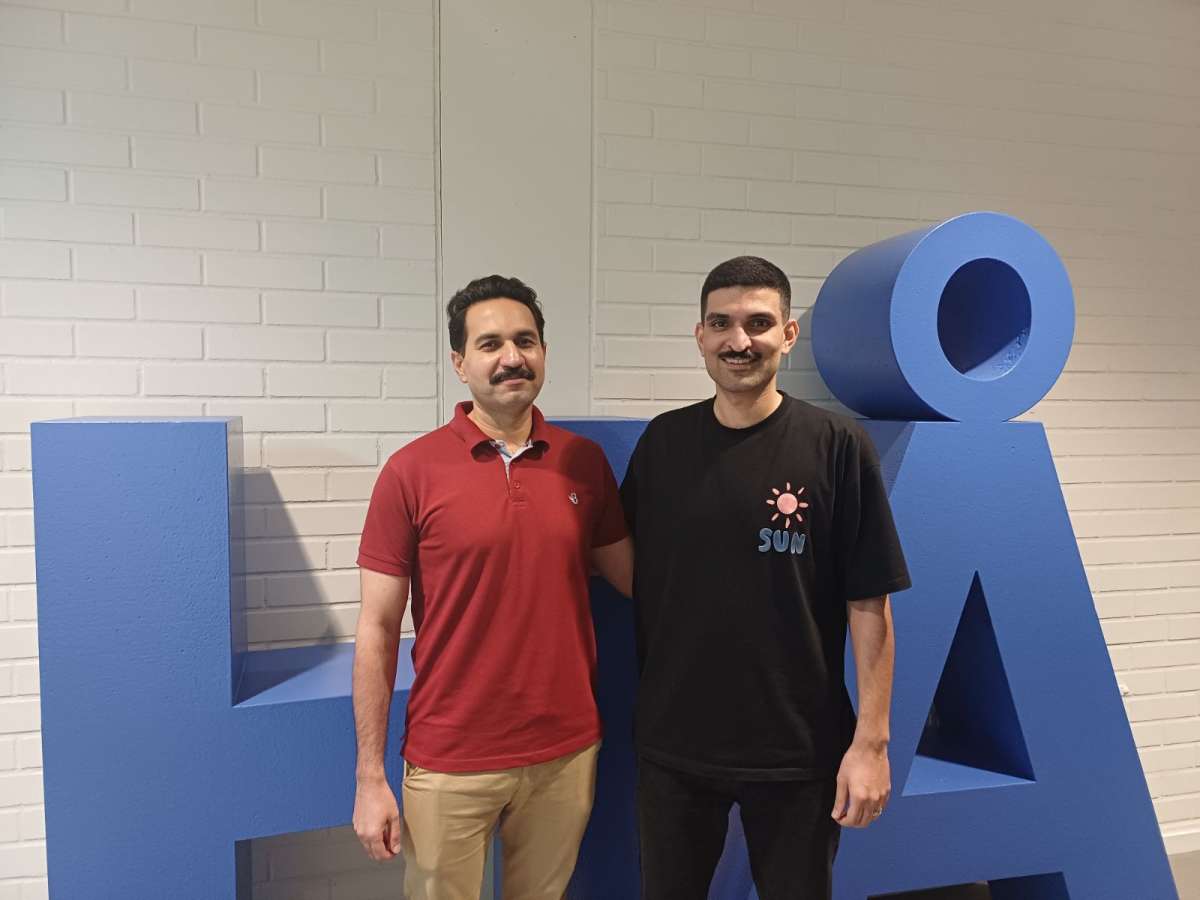
Earlier this autumn, the semester began for the new students in Åland University of Applied Sciences’ only master’s program, Energy Automation Sustainable Engineering (EASE). The program attracts people from all corners of the world who want to learn more about engineering, energy automation, and sustainability. We sat down to talk with two of them.
Abdolreza Ershadi Nia, known as Abdo, comes from Iran, where he earned his bachelor’s degree in physics. After studying chemistry for a year in South Korea, he started working in business intelligence and data analysis. But the introduction of AI to society made Abdo rethink. AI requires energy, so he decided to build on the skills he already had in data analysis and learn how they can be applied within the energy industry instead.
What attracted him to Åland University of Applied Sciences was the short yet substantial curriculum, the program’s close ties to the industry, and the small class sizes that allow for close guidance from teachers.
“Since Åland’s goal is to become free from fossil fuels, the small society works as a perfect miniature example of the challenges that larger countries also face,” Abdo says.
Muhammad Asim Khan, known as Asim, earned his bachelor’s degree in electrical engineering and his master’s degree in system engineering in his home country of Pakistan. Afterwards, he worked as an Automation Engineer until he decided to continue studying to update his skills.
“The EASE program managed to include all the subjects I am interested in. I also spoke with some alumni who could tell me more, and they had very good things to say about the program,” Asim says.
Easy to adapt to the quiet life on Åland
The EASE program is structured in a hybrid format – meaning the students only need to be physically present on Åland during a number of on-campus weeks. The rest of the studies take place online, and during that time students can choose whether they want to live on Åland, somewhere else in Finland, or somewhere else entirely.
So how does it feel to exchange sun, warmth, and large Asian capitals for a colder, darker, and more introverted country like Finland?
Both Asim and Abdo say that they have settled in well and enjoy life on Åland and in Finland. Asim likes to go jogging in the evenings, which has allowed him to explore every nook and cranny of Mariehamn, while Abdo has been out in the forest picking both blueberries and mushrooms.
“The adjustment might be harder for someone who’s very extroverted, but I adapt easily. I received a warm welcome from the professors of the program when I arrived to Åland, so I felt very much at home here, which was wonderful,” Asim says.
“I’ve had plenty of sun and warmth already during my 32 years of life — I appreciate that the sun isn’t as strong here. On Åland, everything is very quiet, calm, and simple. I like being close to nature and the tight-knit community of this small society, so I’ve really enjoyed it here,” Abdo says.
From theory to human connection and practical challenges
When asked what has been the best part of their studies so far, both Abdo and Asim highlight the teachers—their dedication, hospitality, and connections to the industry.
“I was skeptical about the online and hybrid format at first, but my experience so far has been very good, and I truly recommend it. The campus weeks have been important for meeting the teachers, getting that human connection, and working hands-on in laboratory environments,” Asim says.
“We learn about the exact challenges in renewable energy that the world is currently facing. Companies also place quite a lot of trust in us students since we have the opportunity to write our theses for them. It gives us insight into the real challenges and questions they have, which is very valuable,” Abdo says.
One challenge that both Abdo and Asim mentions, has been finding affordable housing on Åland. Public transport with limited routes and schedules can also create difficulties. They both agree that a student housing option near the campus would be the ideal solution.
“I would definitely recommend Åland University of Applied Sciences to others, but I would tell them that it’s important to have a solid budget before coming here,” Asim says.
A bright future
At the end of spring 2026, Asim and Abdo will graduate from the EASE program. Asim hopes to find a job in the field of energy where he can use his previous experience, and he feels confident he’ll find one, thanks to the new skills he has gained during his time at Åland University of Applied Sciences.
Abdo feels optimistic about the future too. He tells us that he has really come to enjoy life on Åland with its nature and people—and if it were possible to find a job within his field here, he would gladly do so. Otherwise, he can always bring his new skills back to Iran, where expertise in the energy sector is highly sought after.
Are you interested in making both your own and the world’s future a bit brighter? The EASE program is suitable for those who want to take part in the transition toward more sustainable and circular solutions through modern engineering skills. This one-year, English-taught master’s program, comprises 60 credits, of which you’ll study engineering with a focus on energy automation and sustainability.